Intellectual capital

Frameworks turn ambiguity into shared decisions.

A useful framework does not replace judgment. It helps people ask better questions, expose assumptions and decide what happens next.

Distilled from practice

These frameworks came from recurring problems—not a whiteboard in isolation.

Over three decades, I have seen intelligent people struggle because they lacked a shared language for value, ownership, evidence, risk or sequencing. The frameworks below capture patterns that proved useful across entrepreneurship, enterprise IT, digital products, manufacturing, maritime operations and Data and AI transformation.

They are working instruments, not doctrine. I adapt them to the organization, test them against evidence and simplify or extend them when reality demands it. Their purpose is to improve the conversation, reveal missing decisions and help teams act together.

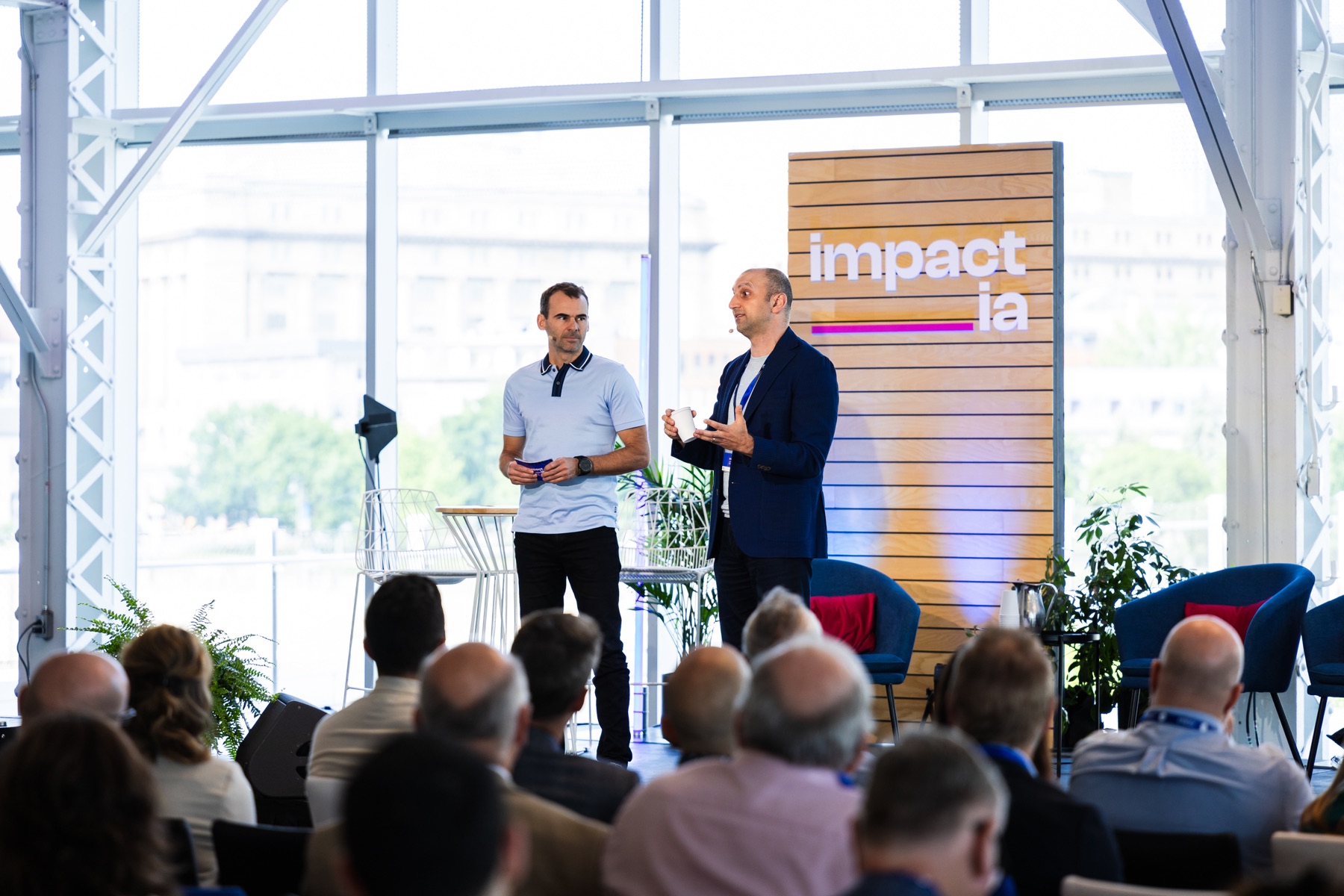
Jean Fahmy explaining a technology and AI framework to an audience
Frameworks become valuable when people can use them together.
01 · Strategy to measurable outcome

IT and AI Transformation Value Framework

Business goals · Capabilities · Adoption · Outcomes · Evidence

Why it exists: Transformation programs often begin with a technology decision and end with a benefit claim, leaving the causal chain between them untested. This framework makes that chain visible before investment is approved and keeps it visible through delivery.

How it works: Start with the enterprise goal and the decision, workflow or operating result that must change. Trace the technology and AI levers required, the capabilities they create, the people who must adopt them, the resulting business outcome and the evidence that will prove—or challenge—the value claim.

  • Direction: Which business goal and executive priority does the work advance?
  • Capability: What must the organization become able to do reliably?
  • Adoption: Whose behaviour, workflow or decision must change?
  • Outcome: What operational or financial result should move?
  • Evidence: What baseline, owner and measurement will establish causality?

Where it helps: Enterprise strategy, Board narratives, portfolio sequencing, investment cases, transformation roadmaps, benefits governance and course correction.

02 · Evidence discipline

Client-Value Evidence Methodology

Forecast · Enabled · Validated · Realized

Why it exists: Credibility erodes when a forecast, a capability and a realized result are presented as though they were equivalent. This methodology gives leaders, consultants and delivery teams a precise shared language for what the evidence actually supports.

How it works: Every value statement is assigned an evidence level, an accountable owner, a baseline, a time horizon and a source. Assumptions and competing explanations remain visible so the claim can mature—or be revised—as operational evidence arrives.

  • Forecast: expected value if stated assumptions prove true.
  • Enabled: value made possible because a new capability now exists.
  • Validated: an outcome supported by credible operational evidence.
  • Realized: value captured, sustained and recognized by the organization.

Where it helps: Consulting value cases, steering committees, executive dashboards, benefits registers, case studies, award submissions and claims that must survive scrutiny.

03 · Responsible enterprise scale

AI First Operating Model

Ownership · Guardrails · Lifecycle · AgentOps · Adoption

Why it exists: AI pilots repeatedly expose the same missing enterprise capabilities. The model gets attention while identity, security, trusted data, ownership, support, change and value measurement arrive too late.

How it works: Treat AI as an operating capability rather than a collection of models. Each use case has a business owner, risk tier, approved data pathway, delivery lifecycle, human-accountability model, production controls, monitoring, support model and value scorecard.

  • Portfolio: select use cases by value, feasibility, readiness and risk.
  • Foundation: align identity, security, architecture, data and vendor controls.
  • Delivery: use repeatable discovery, evaluation, release and retirement gates.
  • Operations: monitor quality, cost, drift, incidents and agent behaviour.
  • Adoption: build literacy, redesigned workflows and accountable communities.

Where it helps: Enterprise AI strategy, use-case portfolios, agent programs, responsible-AI governance and the move from demonstrations to repeatable production value.

04 · Trusted reuse at scale

Data Product & Self Serve Model

Owner · Contract · Context · Quality · Service

Why it exists: Years of aggregating automotive data and building industrial data foundations showed me the cost of repeatedly reconciling the same definitions, feeds and quality problems. Self-service without trusted products simply distributes confusion faster.

How it works: A data product packages a meaningful business domain for reuse. Its contract names the owner and consumers, purpose, definitions, quality rules, lineage, access controls, semantic context, refresh expectations and service commitments.

  • Discoverable: consumers can find it and understand its intended use.
  • Trustworthy: definitions, quality, lineage and accountability are visible.
  • Interoperable: standards support reuse across operations, BI and AI.
  • Governed: access, privacy, retention and change are controlled.
  • Self serve: users follow supported pathways without recreating the foundation.

Where it helps: Domain roadmaps, lakehouse programs, BI rationalization, AI readiness, semantic layers and operational data sharing.

05 · Meaningful and responsible impact

Portfolio Project Impact Framework

Calling · Conviction · Care · People · Planet · Profit

Why it exists: Technical feasibility and financial return are necessary, but they do not fully describe whether a portfolio or project is worth pursuing, credible enough to fund or responsible enough to scale. This framework combines the 3C decision lens with the broader stakeholder and sustainability perspective developed through Merkuri Impact.

CallingIs the future meaningful enough to pursue, and for whom?
ConvictionDo evidence, capability, economics and sponsorship support action?
CareCan we create value responsibly while protecting trust?

How it works: Evaluate intended and unintended impact across people, communities, planet, profit, relevant UN Sustainable Development Goals and stakeholder trust. Make trade-offs explicit, define evidence for each impact claim and attach guardrails or stop criteria before scale.

  • Purpose: clarify the change sought and the stakeholders it should serve.
  • Evidence: test desirability, feasibility, viability and organizational readiness.
  • Impact: examine benefits, burdens, externalities and distribution of value.
  • Decision: proceed, reshape, sequence, safeguard or stop the initiative.

Where it helps: Portfolio prioritization, major project gates, breakthrough innovation, AI use cases, sustainability-linked transformation and responsible investment conversations.

06 · A connected exploration of grace

GraceGuide.Net Framework

Notice · Connect · Follow

Why it exists: Grace is often discussed as a single idea. GraceGuide.Net organizes years of original research into a clear, visual journey that reveals what grace is, how it moves through relationships and what it changes.

How it works: The framework moves through three connected layers. Description examines the character of grace—how it is characterized, given, linked and shown in action. Relationships follows grace from God, into the individual and outward toward others. Causes and effects traces the conditions surrounding grace and the changes it produces.

  • Notice: how grace is described.
  • Connect: how grace relates.
  • Follow: what grace changes.

Where it helps: Personal reflection, faith formation, relational leadership and any conversation that benefits from seeing grace not as an abstraction, but as a living pattern with sources, relationships and consequences.

Explore the complete Grace Model

Operating rules

Three rules underneath the frameworks.

Truth before optics

Do not present enabled capability as realized value.

Business ownership before scale

The sponsor owns adoption and outcomes.

Standardize and reuse

Data products, controls, templates and evidence should compound.

The purpose of a framework is not to make complexity look simple. It is to make complexity actionable.

Apply a Framework